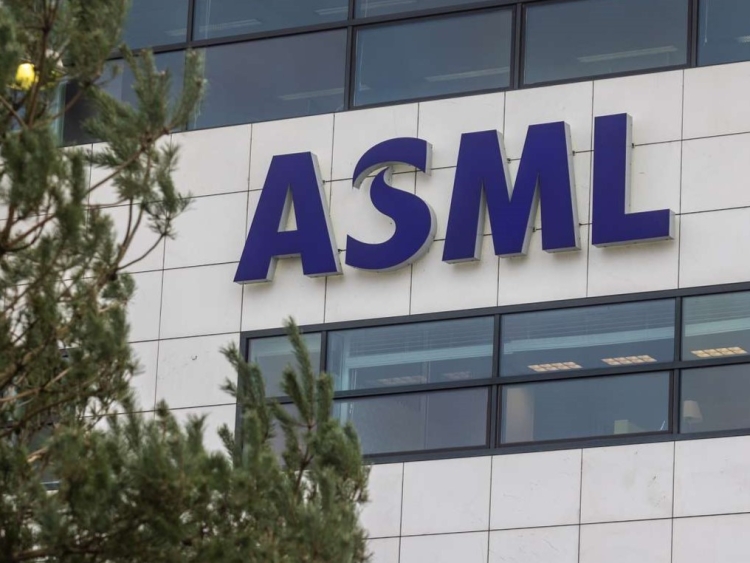
The Dutch outfit is the only shop on the planet that can build the latest photolithography machines, yet it told Nos that whatever it shipped to China was old gear that cannot “produce state-of-the-art chips”. Analysts are not reassured, particularly since the buyer works on quantum technology with obvious military implications.
The Dutch government has long fretted about China’s access to chip design tools and fabrication hardware, which is why the recent drama around Chinese links to Nexperia spiralled so quickly. ASML’s dealings run far deeper and have triggered fresh alarm bells.
Nos claims the customer was a division of China Electronics Technology Group Corporation, a state-owned cog in Beijing’s military-industrial complex that builds everything from rocket system gear to drone kits. It has dipped into China’s space programme and produces chips destined for military use.
The broadcaster further accused ASML of sending a complete deep ultraviolet lithography system to the Shenzhen International Quantum Academy. This matters because Dutch intelligence has explicitly warned about Beijing’s push in quantum tech.
ASML’s DUV machines are not bleeding edge and churn out around 38nm parts, while the snazzy dual-stage EUV rigs can reach 8nm. Even so, analysts fret about shipping such equipment straight to organisations tied to sensitive Chinese research.
ASML declined to chat about specific deals but repeated its line that it only transfers “old technology that can’t be used to produce state-of-the-art chips and it is impossible for suppliers, such as ASML, to assess if a chip manufacturer in China should, or should not, be subject to export controls. National security is the responsibility of governments.”
The Dutch Ministry of Foreign Affairs backed the company’s claim that these designs do not fall under export controls and said “not all high tech goods are, by definition, sensitive and subject to authorisation under the export controls policy”. It noted that lithography machines contain a mountain of components, and not all of them play a strategic role.
Nos said industry experts disagree and argue that the parts sold were critical for operating specific fabrication systems and should be treated as controlled exports.
RAND Europa’s China specialist, Judith Huismans, said, “the problem is that the Dutch government does not have any control over this export of parts” and suggested controls on components would give officials “more control and tools” without banning ASML from selling everything to China.